Sold out isn’t enough anymore
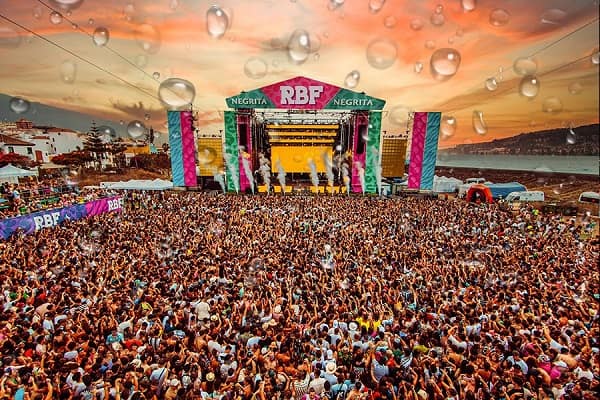
Thirty Spanish festivals folded this year while others sold out twice over, proof that the market isn’t shrinking, it’s splitting. The festivals that survive own their demand, through brand or community, while the ones that don’t are forced to rent it, year after year, at a price someone else sets.
The age of discernment: What empty concert seats, premium burgers and Ticketmaster fees reveal about a cultural shift in consumption
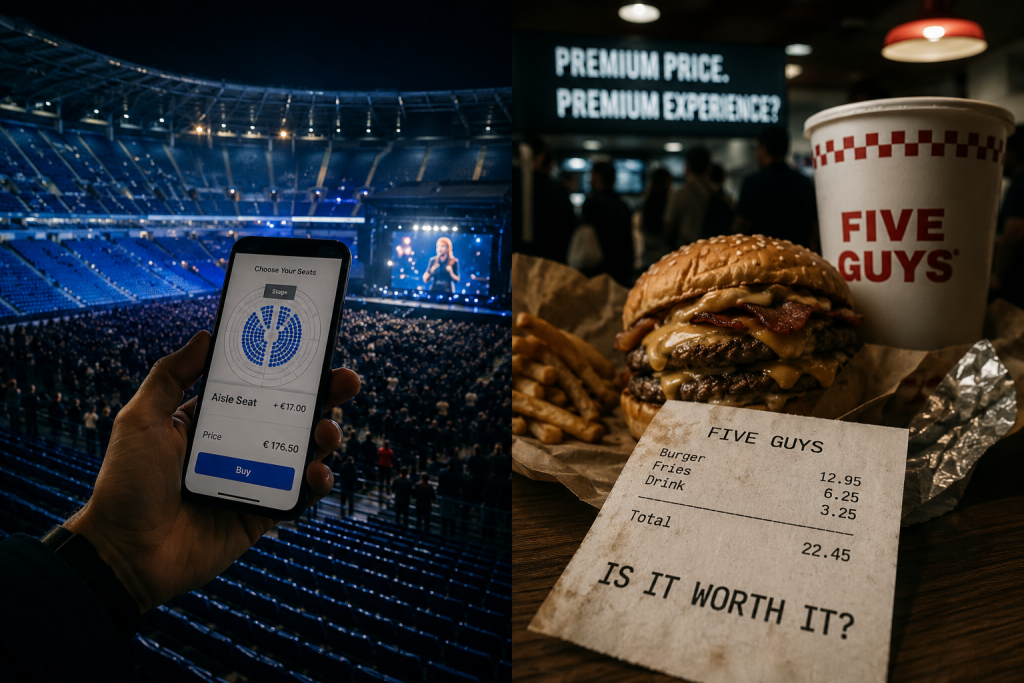
Five Guys is closing stores in California while Ticketmaster shows visible empty seats at major concerts. Two unrelated industries, the same underlying signal: consumers are no longer paying for anything labeled premium, only for what still feels proportionate to its price.
When football becomes cultural infrastructure

Barça won La Liga this weekend, but the more interesting victory happened off the pitch. Spotify used the match to launch a secret Olivia Rodrigo concert built entirely from listening data, revealing how football clubs are quietly becoming something bigger than sports institutions: cultural platforms.
What is happening to culture through AI?
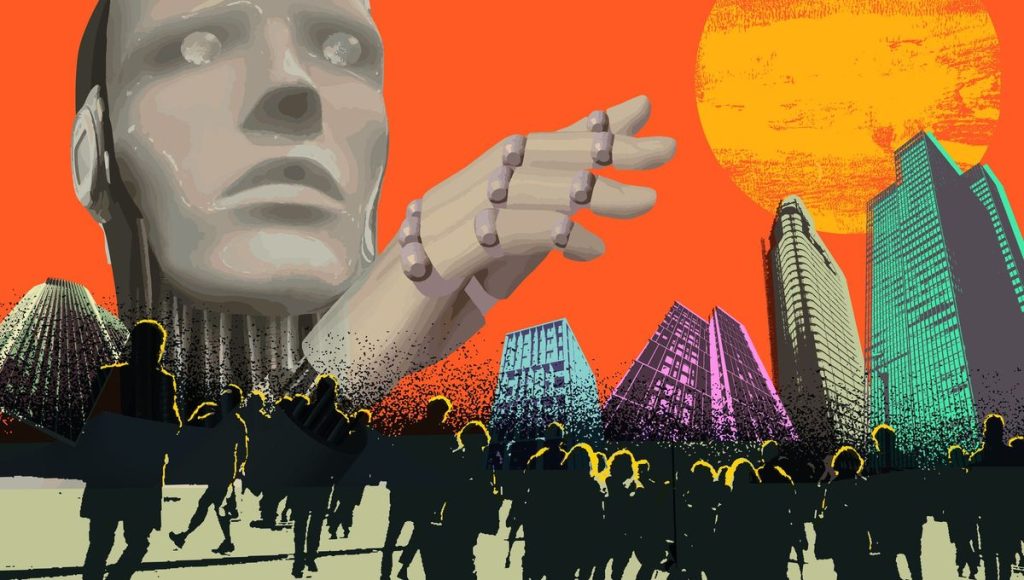
AI is usually described as a new tool for making culture. That framing may already be outdated. What is actually changing is the condition under which culture gets produced, valued and owned in the first place, and the question worth asking is no longer what AI can do for culture, but what culture is becoming through AI.
Music passes $30 billion, powered by the rise of streaming
Global music revenue crossed $31.7 billion in 2025, a milestone usually credited entirely to streaming. The real story is less tidy: growth is concentrated in specific markets, and countries like Spain show that the challenge is no longer generating demand, but converting it into revenue.
Listening for what comes next: Scenes to watch in 2026
By the time a new sound reaches the charts, the community that created it has usually moved on already. This piece maps five scenes, from genre-blurring Gen Z rap to accelerating hard techno, that are quietly shaping what the mainstream will sound like next.
Why do we miss David Bowie so much after 10 years?
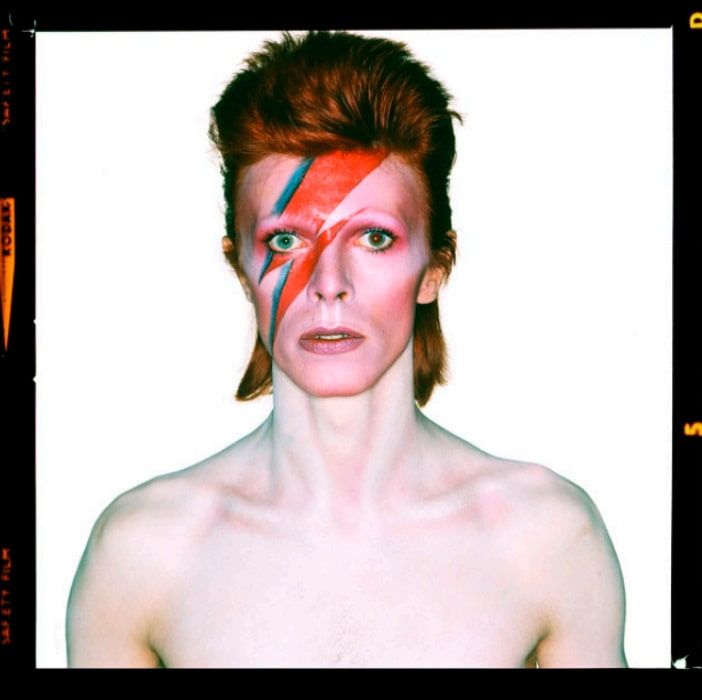
Ten years after his death, Bowie still feels less like a figure from the past and more like a voice we urgently need. He predicted streaming, the rise of touring economies and the collapse of distance between artist and audience decades before they became industry reality.
What happens to music when anyone can create it?
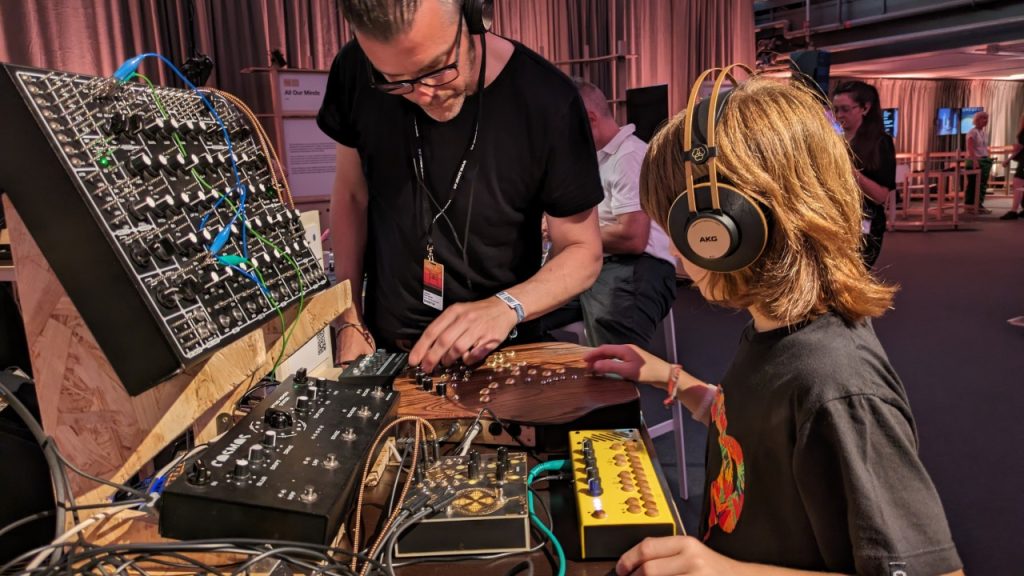
Generative AI has made music creation nearly instantaneous, and technical skill is no longer scarce. What becomes scarce instead is meaning, identity and a reason for a piece of music to exist at all, which changes what actually makes a musician valuable.
The best music release strategies for independent artists in 2025

Over 120,000 tracks are uploaded every day, more than existed in all of 1989. A practical guide to standing out anyway, from pre-release planning to the waterfall strategy that keeps momentum alive long after release day.
K-pop and the superfan economy: Innovation by design, expansion by strategy
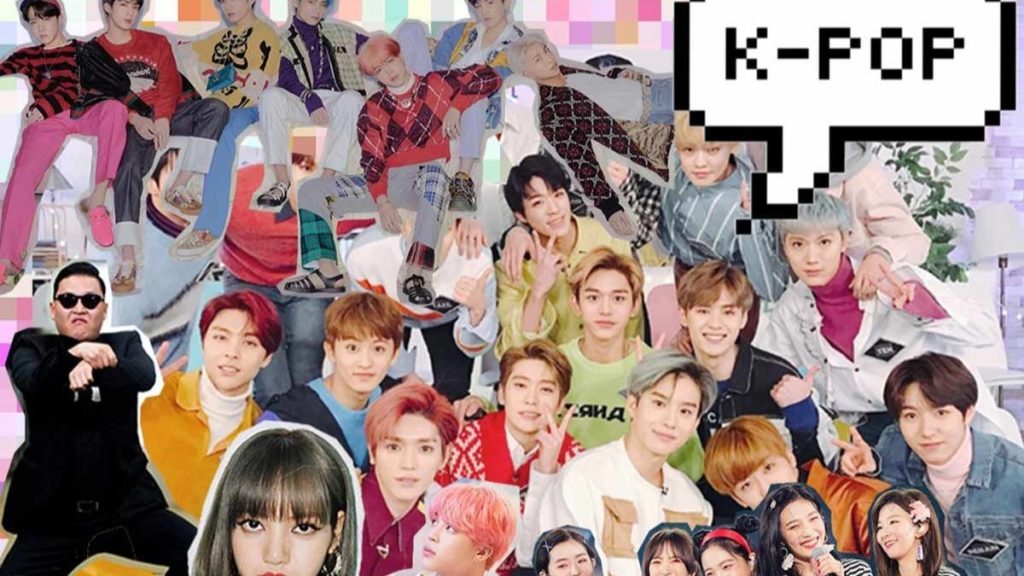
The top 1-5% of an artist’s audience can generate up to 40% of their revenue, and K-pop built an entire industry around that fact. How Weverse, lightsticks and transmedia storytelling turned fandom itself into infrastructure, and why the model is now being exported worldwide.