
Who decides what we listen to now?

AI is rewriting both ends of the music value chain at once. Creating music is becoming almost free, while a new intermediary quietly decides what we hear and which concert we attend. From Spotify’s AI remixes to Suno buying Songkick, who captures the value now?
Back to the box office
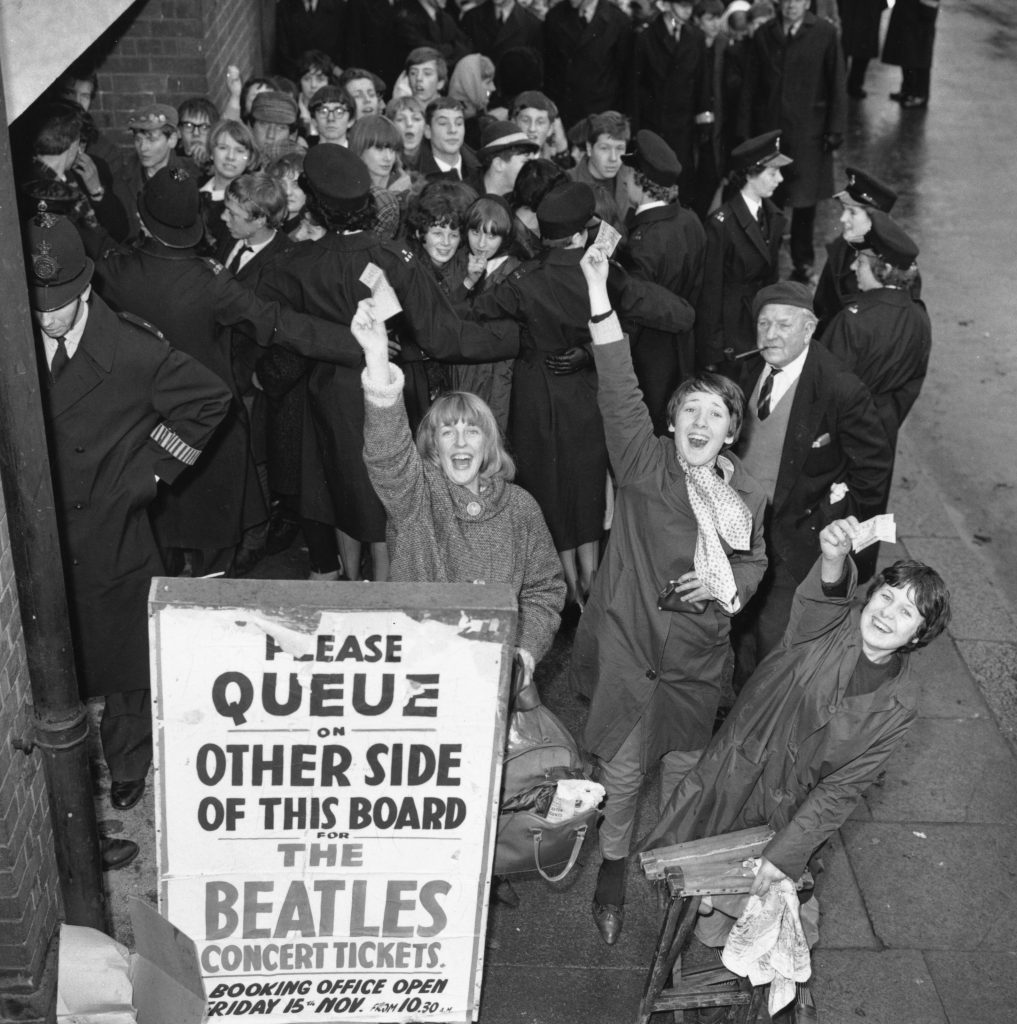
Oasis has abolished its general sale. Arde Bogotá has abolished online sales altogether. In a world where 150,000 new songs reach streaming platforms every day, the scarcest asset an artist has is no longer the song, but the fan who stays. From lotteries and box offices to 20€ tickets and secret shows, a new generation of ticketing strategies reveals something deeper: the way you sell a ticket says who you think your fans are.
When football becomes cultural infrastructure

Barça won La Liga this weekend, but the more interesting victory happened off the pitch. Spotify used the match to launch a secret Olivia Rodrigo concert built entirely from listening data, revealing how football clubs are quietly becoming something bigger than sports institutions: cultural platforms.
Music passes $30 billion, powered by the rise of streaming
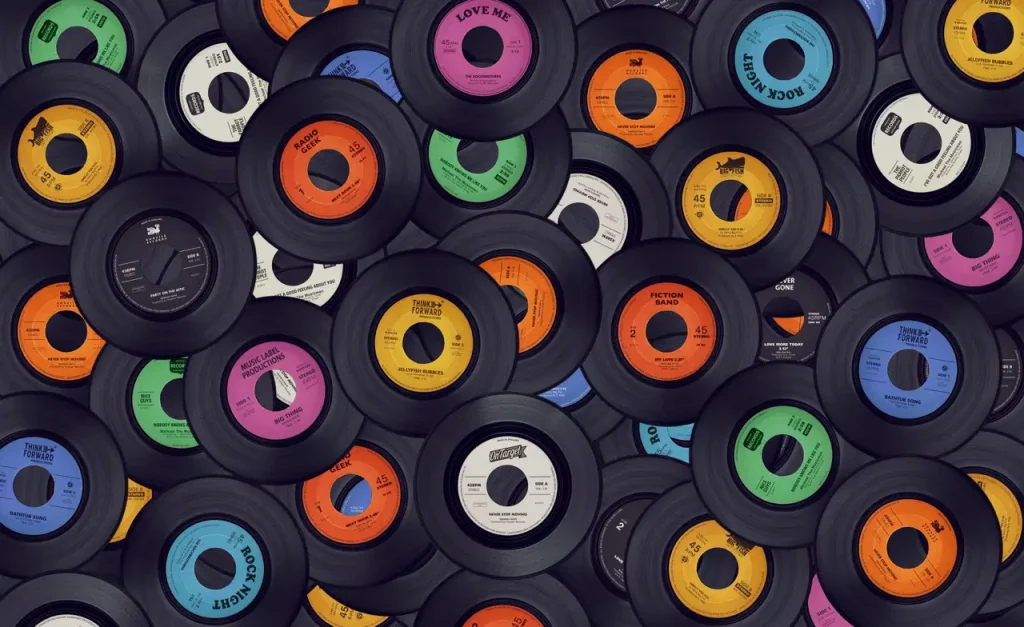
Global music revenue crossed $31.7 billion in 2025, a milestone usually credited entirely to streaming. The real story is less tidy: growth is concentrated in specific markets, and countries like Spain show that the challenge is no longer generating demand, but converting it into revenue.
Listening for what comes next: Scenes to watch in 2026
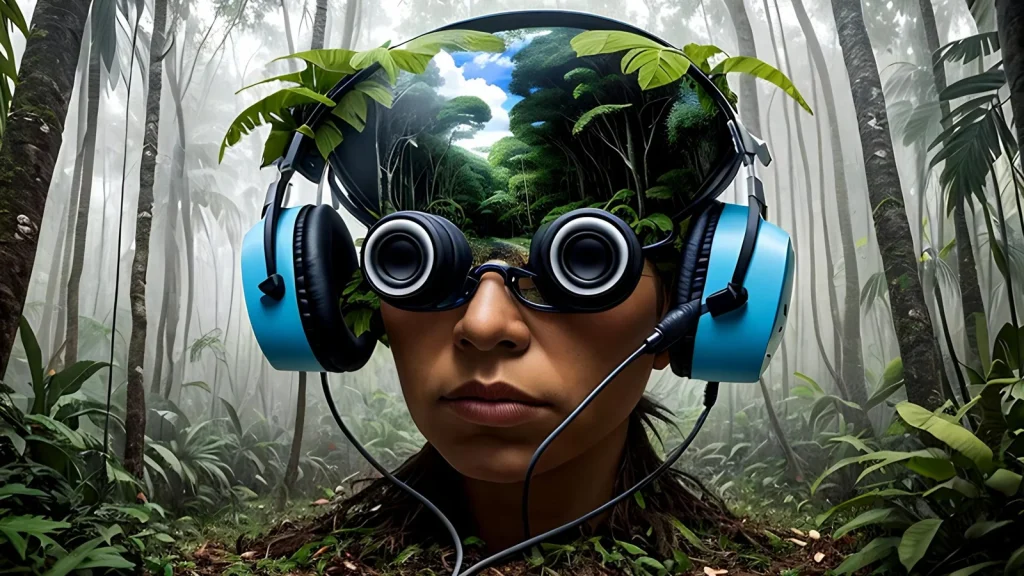
By the time a new sound reaches the charts, the community that created it has usually moved on already. This piece maps five scenes, from genre-blurring Gen Z rap to accelerating hard techno, that are quietly shaping what the mainstream will sound like next.
Why do we miss David Bowie so much after 10 years?
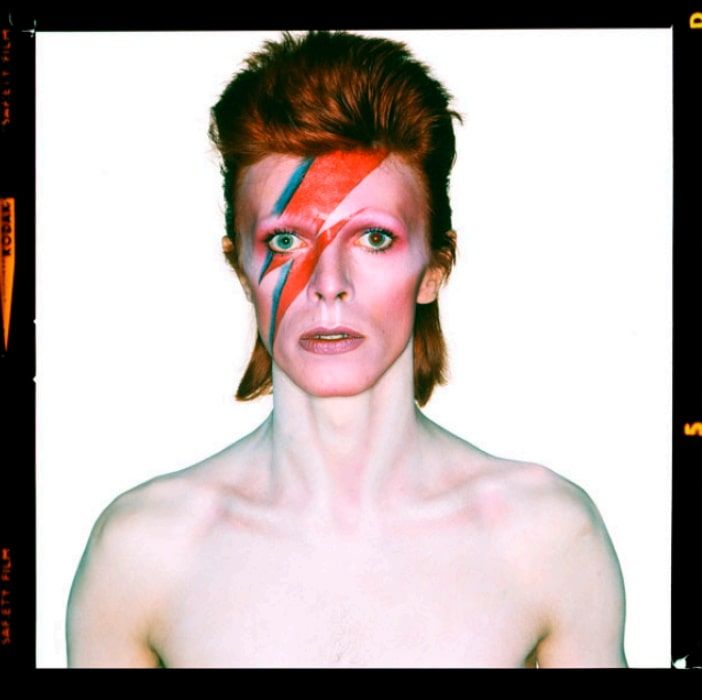
Ten years after his death, Bowie still feels less like a figure from the past and more like a voice we urgently need. He predicted streaming, the rise of touring economies and the collapse of distance between artist and audience decades before they became industry reality.
The best music release strategies for independent artists in 2025

Over 120,000 tracks are uploaded every day, more than existed in all of 1989. A practical guide to standing out anyway, from pre-release planning to the waterfall strategy that keeps momentum alive long after release day.